








Your wedding invitation suite is the first glimpse your guests will have into your celebration. Long before they see the venue, taste the menu, or hear the music, they’ll experience your wedding through paper—through the weight of the cardstock, the colors you chose, the typography, and the way each piece fits together.
A thoughtfully designed suite does more than share logistics. It sets expectations, communicates tone, and creates a cohesive story about the day you’re planning. Understanding what belongs in a wedding invitation suite—and how each piece works together—helps you order with confidence and design something that feels complete, polished, and unmistakably yours.
What Is a Wedding Invitation Suite?
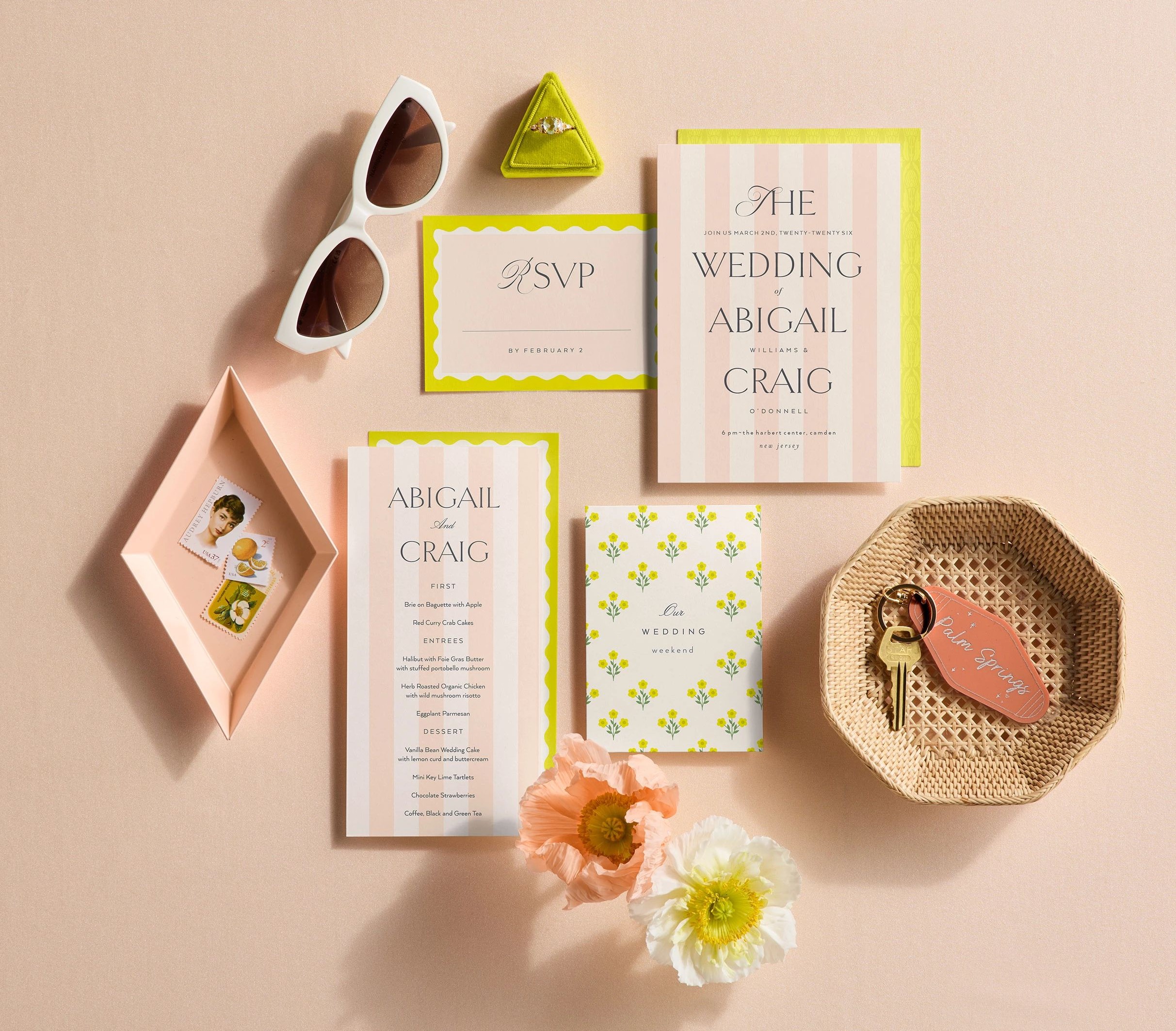
A wedding invitation suite is the full collection of printed pieces that go inside the envelope your guests receive. It includes the main wedding invitation and any additional cards that provide supporting information about your celebration.
At its simplest, a suite may contain just the invitation and an RSVP card. More commonly, it includes an invitation, RSVP card, and one or more enclosure cards for details like reception information, accommodations, or wedding website instructions. The suite is often tied together visually through consistent design elements—color palette, fonts, layout style, and finishing touches like coordinated address labels or stickers.
Beyond the mailed pieces, many couples extend their suite design into day-of stationery, such as programs, menus, and place cards, so the visual story continues seamlessly from mailbox to ceremony to reception.
The Wedding Invitation: The Heart of the Suite
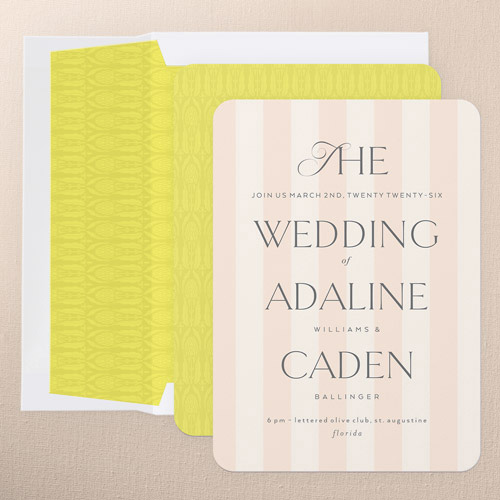
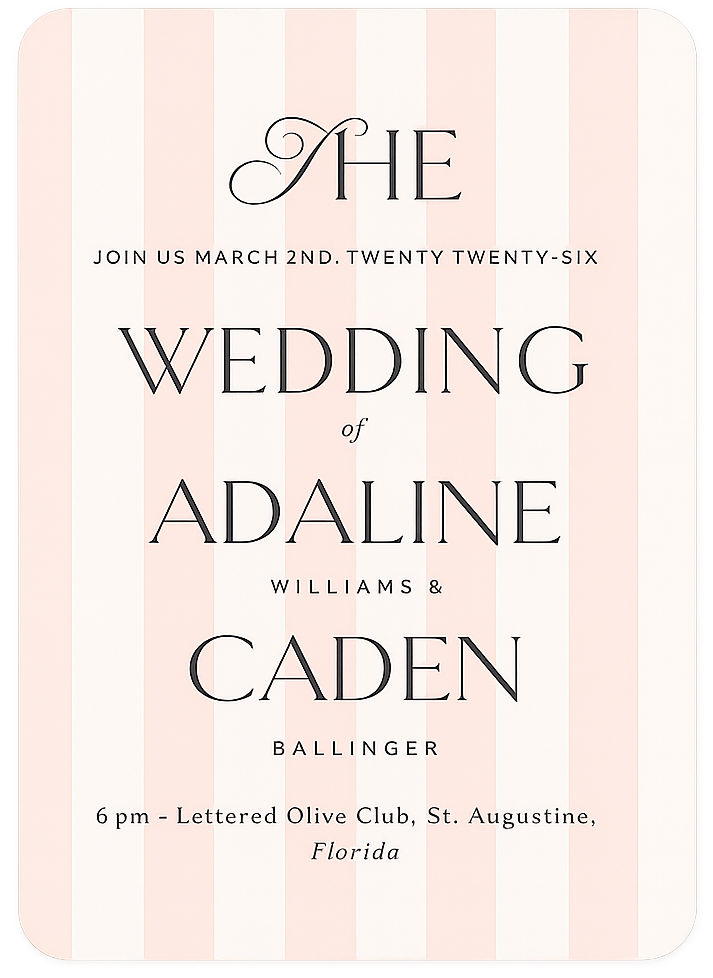
The wedding invitation is the centerpiece of the entire suite. It carries the core information: who is hosting, who is getting married, the date, the time, and the location of the ceremony.
This card sets the tone. A formal black-and-white design with classic serif fonts feels very different from a watercolor floral layout or a modern minimal design with clean typography and lots of white space. The wording also signals formality. A traditional ceremony at a cathedral might call for more formal phrasing, while a garden wedding or destination celebration can feel slightly more relaxed.
The invitation should never feel overcrowded. It needs room to breathe so the most important details stand out clearly. If you find yourself adding paragraphs of additional information, that’s a sign those details belong on a separate card.
The RSVP Card: Gathering Responses with Ease
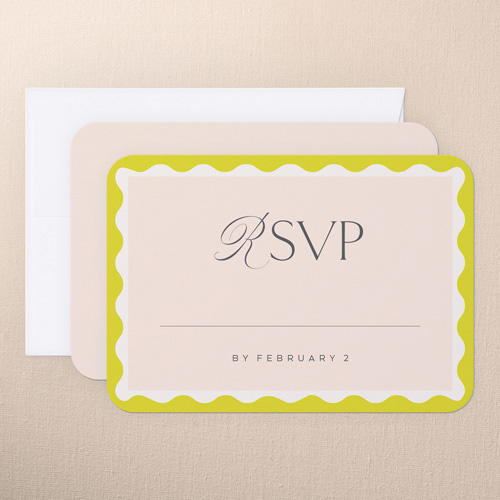
The RSVP card exists for one simple but crucial reason: it helps you finalize your guest count and plan your reception with confidence.
Traditionally, this card includes a response line, an accept/decline option, and a return-by date. Many couples also include meal selections if the reception offers plated entrée choices. The RSVP card is typically paired with a pre-addressed and, often, pre-stamped return envelope to make responding effortless for guests.
Even if you’re collecting responses through a wedding website, an RSVP card still serves as an elegant and familiar part of the suite. In that case, it may direct guests online with a short note such as, “Kindly respond at ourweddingwebsite.com by May 10.”
Design-wise, the RSVP card should feel like a natural extension of the invitation—same typography family, similar spacing, and coordinated design elements—just simplified to suit its practical purpose.
The Details Card: Keeping the Invitation Clean
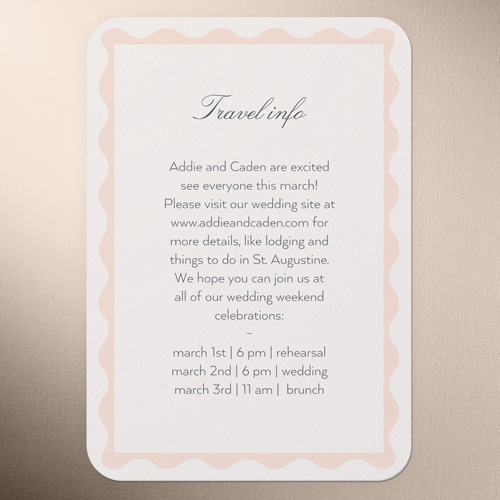
The details card, often called an enclosure card, is where you place information that supports the day but doesn’t belong on the main invitation. This might include:
- Reception address if it’s at a different venue
- Transportation information
- Hotel room block details
- Dress code guidance
- Wedding website instructions
- Registry notes (handled delicately)
Separating these details preserves the elegance of the main invitation. Instead of cluttering the primary card with logistical information, the enclosure card keeps everything organized and easy to follow.
If you’re hosting multiple events—such as a welcome party, next-day brunch, or cultural ceremony—you may include separate enclosure cards for each. Each one should feel cohesive with the suite but clearly labeled so guests understand which event they’re invited to attend.
Rehearsal Dinner Invitations

Rehearsal dinner invitations are typically sent separately to the smaller group attending that event—often the wedding party and immediate family. While they don’t always ship inside the main invitation suite, many couples choose to design them in a coordinating style.
A rehearsal dinner invitation should include the event date, time, location, and RSVP instructions. Because this gathering is often more intimate, the tone may be slightly more relaxed than the formal wedding invitation. Still, keeping the design consistent ties everything together visually and reinforces the overall aesthetic of the weekend.
Address Labels and Outer Envelope Details
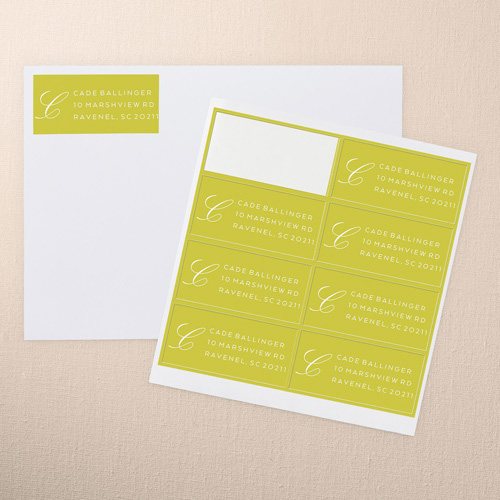
The outer envelope is part of the first impression. Clean, legible addressing sets a polished tone before your guests even open the envelope. Coordinating address labels can mirror the fonts or design elements used in your suite, creating a seamless look from the outside in.
Return address labels are equally important. They ensure undeliverable mail finds its way back to you and maintain consistency in presentation.
For a refined touch, some couples include matching stickers or envelope seals. These small details elevate the experience and make the suite feel intentional rather than assembled.
Day-Of Stationery: Extending the Suite Beyond the Mailbox
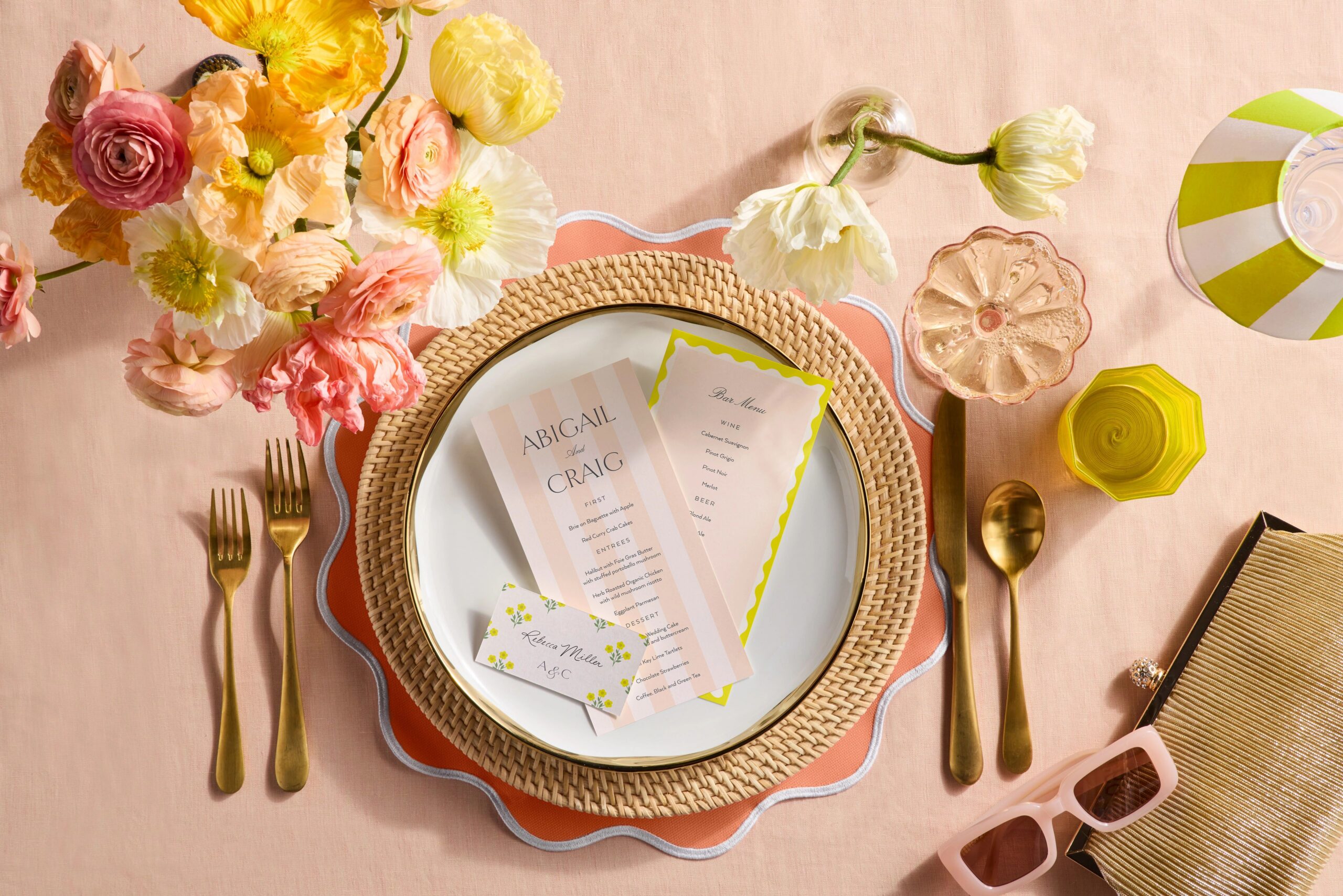
Your invitation suite doesn’t have to stop at the envelope. Programs, menus, and place cards can carry your design into the ceremony and reception spaces.
Wedding programs guide guests through the order of events and can include meaningful notes about traditions, family members, or musicians. Menu cards add structure to the reception tables while reinforcing your aesthetic. Place cards help guests find their seats and offer another opportunity for thoughtful design.
Wedding thank you cards, while sent after the celebration, often mirror the original suite. They create a satisfying sense of completion—bookending your wedding stationery story from invitation to gratitude.
Understanding Wedding Stationery Suites
When couples order a wedding invitation suite, they’re not just selecting paper products. They’re curating an experience. Each piece has a purpose: the invitation sets the stage, the RSVP gathers responses, the enclosure cards clarify logistics, and the coordinated elements tie everything together into a cohesive narrative.
Taking the time to understand these components helps you avoid over-ordering, under-ordering, or crowding too much information into a single card. It allows you to design intentionally, choosing only the pieces that truly serve your celebration while ensuring the suite feels balanced and complete.
Your wedding invitation suite is one of the few tangible elements of your wedding that guests will keep long after the day has passed. When designed thoughtfully and assembled with care, it becomes more than stationery—it becomes a keepsake that reflects the tone, style, and heart of your celebration from the very first impression.
Additional Resources:
- New Wedding Invitation Designs
- 7 Modern Wedding Invitation Trends for 2026
- Wedding Invitation Papers & Finishes
- How to Choose the Right Wedding Invitation Style
- Wedding Invitation Etiquette Guide
- Shutterfly Wedding Invitations FAQs
- When to Send Wedding Invitations
- What to Include on Wedding Invitations
- How to Address Wedding Invitations
